Could some people with Follicular Lymphoma Be Cured? New evidence sparks careful optimism
New long-term research is raising one of the most important, and sensitive, questions in follicular lymphoma: could a subset of patients already be cured?

New long-term research is raising one of the most important, and sensitive, questions in follicular lymphoma: could a subset of patients already be cured?
In October 2025, we conducted the FLF’s annual Global Patient Survey to better understand the challenges, concerns, and priorities of people living with follicular lymphoma. More than 1,000 people took part from over 50 countries worldwide – sharing their experiences across different stages of the disease and from healthcare systems around the world. These insights offer an important perspective on where support is working well and where further progress is needed.

This International Women’s Day the FLF and our global community are proud to celebrate and highlight the exceptional women whose scientific insight, dedication and innovation are driving progress in follicular lymphoma research.

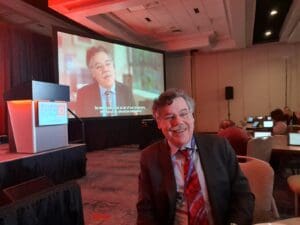
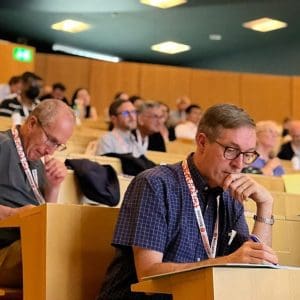
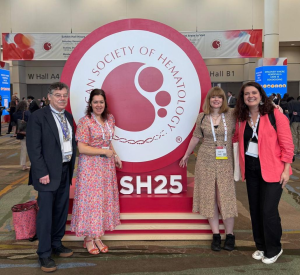
Every December, over 30,000 haematology experts from around the world gather for the American Society of Haematology (ASH) conference, where groundbreaking research is shared and the future of lymphoma treatment takes shape. In December 2025, the FLF team was at ASH in Orlando, USA on a clear mission: to find out the latest breakthroughs, represent you and drive progress toward a cure for follicular lymphoma.

On November 18, 2025, the FDA approved epcoritamab-bysp (EPKINLY®) in combination with rituximab and lenalidomide for adults with relapsed or refractory follicular lymphoma after at least one prior therapy. This approval applies to patients in the United States..

At the recent 18th International Conference on Malignant Lymphoma (ICML), the FLF shone a spotlight on follicular lymphoma by hosting our very own satellite symposium for the second time, titled: “Charting our Progress Towards a Cure”. Read more to find out the key takeaways and highlights from the symposium.

In June 2025, the U.S. Food and Drug Administration (FDA) approved a new combination treatment option for adults with relapsed or refractory follicular lymphoma (FL).
This combination includes tafasitamab (also known as Monjuvi®, developed by Incyte), rituximab, and lenalidomide — and is now available for eligible patients in the United States.

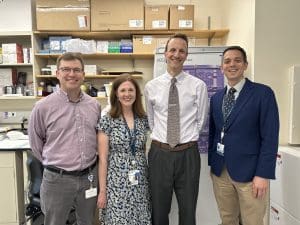
One example of the impactful ways we advance our mission to cure follicular lymphoma (FL) is through our seed funding of the world-renowned Dana-Farber Cancer Institute.

In recent weeks there have been a number of announcements regarding an alternative treatment option now being available for adults with relapsed/ refractory indolent follicular lymphoma (FL) across the EU and transformed follicular lymphoma within the UK.

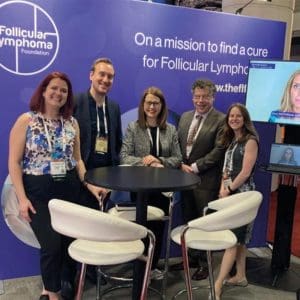
The Follicular Lymphoma Foundation (FLF) was thrilled to participate in the recent American Society of Hematology (ASH) Annual Meeting.

FLF’s CMO highlights key takeaways from ASH 2024 on follicular lymphoma, from immunotherapy to new treatments.

Plain English Summary of the Publication:
Immunogenicity of COVID-19 vaccines in patients with follicular lymphoma receiving frontline chemo-immunotherapy.

Professor Jessica Okosun, FLF Scientific Advisor, answers your questions on chemotherapy-free options

Global patient survey results reveal key insights into patient perspectives on immunotherapy and information preferences

We are pleased to announce the publication of our latest update, “Follicular Lymphoma: Mid-year Update on Pathways for Clinical and Translational Investigations.

View our webinar focused on sharing experiences and improving understanding of clinical trials.

The team updates from recent scientific conferences on the latest research in follicular lymphoma, from cutting-edge therapies to genetic insights.

Minimal/measurable residual disease refers to the small number of cancer cells remaining in the body after treatment.

How do we improve immunotherapy treatments to ensure long-lasting effectiveness, fewer side effects, and ensure they are accessible?

Dr Mitchell Smith, FLF CMO, explains Immunotherapy and what it means for people living with follicular lymphoma in terms of treatment.

Dr Mitchell Smith, FLF CMO, reports on the most exciting presentations at ASH 2023 including fundamental scientific discoveries and ongoing clinic trials.

This article presents key insights from the conference, shedding light on exciting developments in the field. The knowledge and insights we gained left us inspired and energised.

At the 17th International Conference on Malignant Lymphoma (17-ICML), the FLF hosted their own symposium: “What Will it Take to Cure FL?”. Read more to find out the key takeaways and highlights from the symposium.

Dr Mitchell Smith on Future Directions in FL Dr Mitchell Smith, CMO at the FLF, shares his insights in what the future holds for follicular

ASH Annual Meeting 2022 – summary and key take-outs By Dr Zoe Drymoussi During the 9-12th December 2022, the FLF team attended, in person, for

Looking back over the last 25 years for FL – the Rituximab era By Dr Mitchell Smith, Chief Medical Officer A recent re-publication marking 25

At a Glance: Bi-specific antibodies are a revolutionary form of immunotherapy recently approved for patients with relapsed or refractory Follicular Lymphoma (FL). Unlike traditional chemotherapy,

Interesting summary of the impact and effectiveness of antibody responses to SARS- CoV-2 vaccines in patients with hematologic malignancies. A project from Michael J. Garil

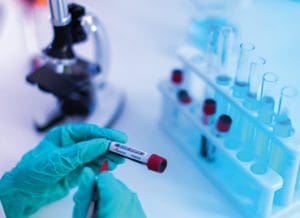
For many people living with Follicular Lymphoma, periodic blood tests become a regular feature. There are several reasons you might need blood tests when affected

At a Glance: Clinical trials are research studies that test new treatments for Follicular Lymphoma to ensure they are safe and more effective than current

The FLF places the patient at the heart of our organisation. This survey collated the unmet needs and prioritised our research goals.