Last updated: March 11th, 2026
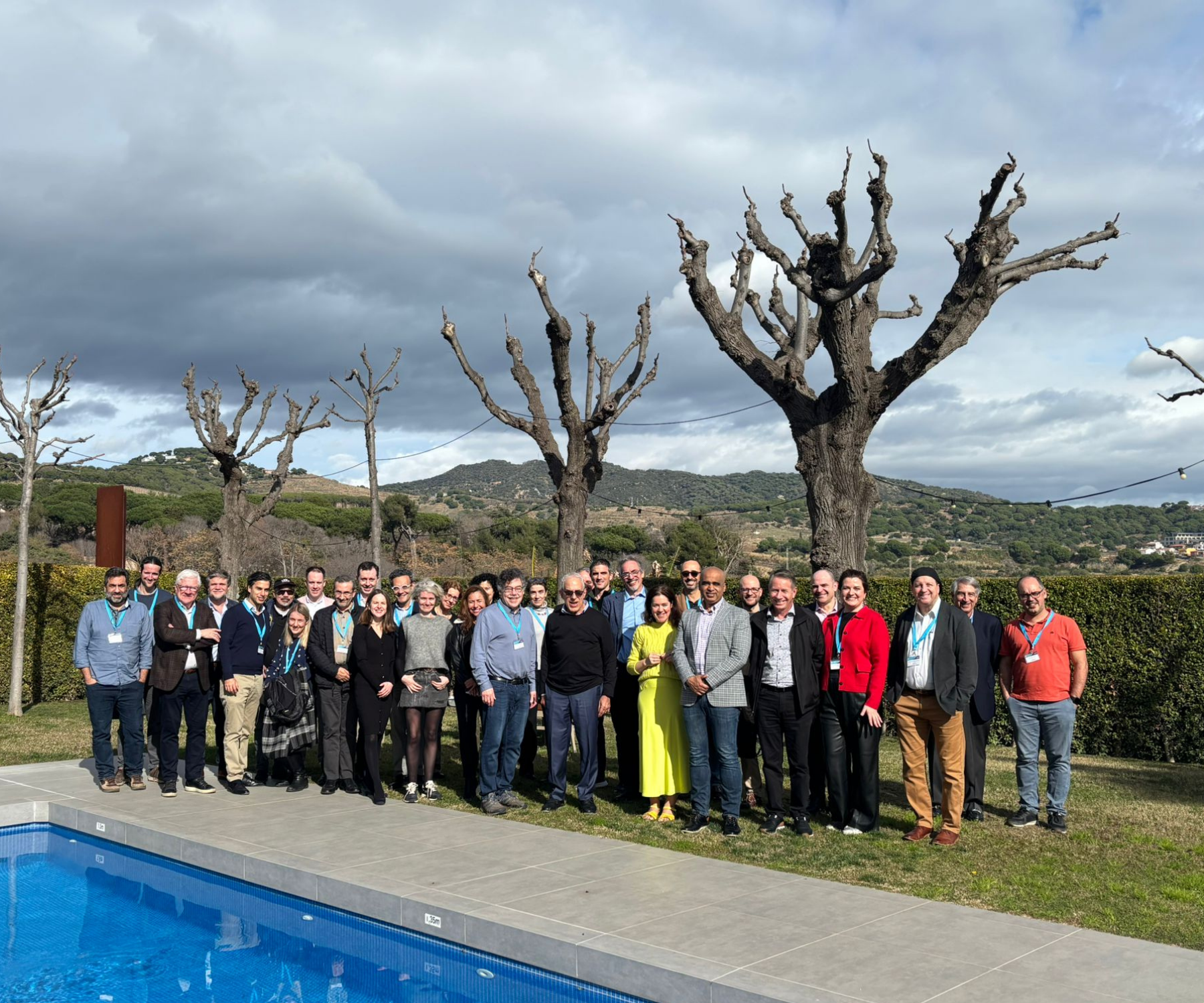
The Follicular Lymphoma Foundation and the Josep Carreras Leukaemia Research Institute convened a global Scientific Conclave in Barcelona focused on accelerating progress toward cures for follicular lymphoma.
“This was not a traditional meeting,” said Emma France, Global CEO, Follicular Lymphoma Foundation. “It was designed to ask different questions, connect expertise that does not usually sit together, and shape what comes next for the field. The goal now is action. How insight becomes programs, priorities, and sustained momentum towards a cure or cures.”
“This Conclave reflects a shared commitment to translation and coordination,” said Ari Melnick, MD. “Accelerating cures requires aligning strong science with strategies that move discoveries forward for patients.”
The Scientific Conclave was intentionally structured to move beyond parallel investigation. Rather than focusing on individual projects, discussions centered on alignment, shared priorities, and how advances from across cancer biology, clinical research, data science, and emerging technologies could be brought together more effectively.
“We will only make faster progress if strong science is connected through coordinated strategies,” said Ari Melnick, MD, Director, Josep Carreras Leukaemia Research Institute. “This Conclave created the framework for that coordination and sets the stage for work that can meaningfully change the trajectory of follicular lymphoma research.”
A central focus throughout was translation, shortening the distance between discovery and patient impact, and identifying where investment and collaboration can have the greatest effect.
“Acceleration has to be built on clarity,” said Mitchell Smith, MD, Chief Medical Officer of FLF. “These conversations helped define where the field stands today, where progress has stalled, and where focused, coordinated effort could move discoveries forward more quickly for patients.”
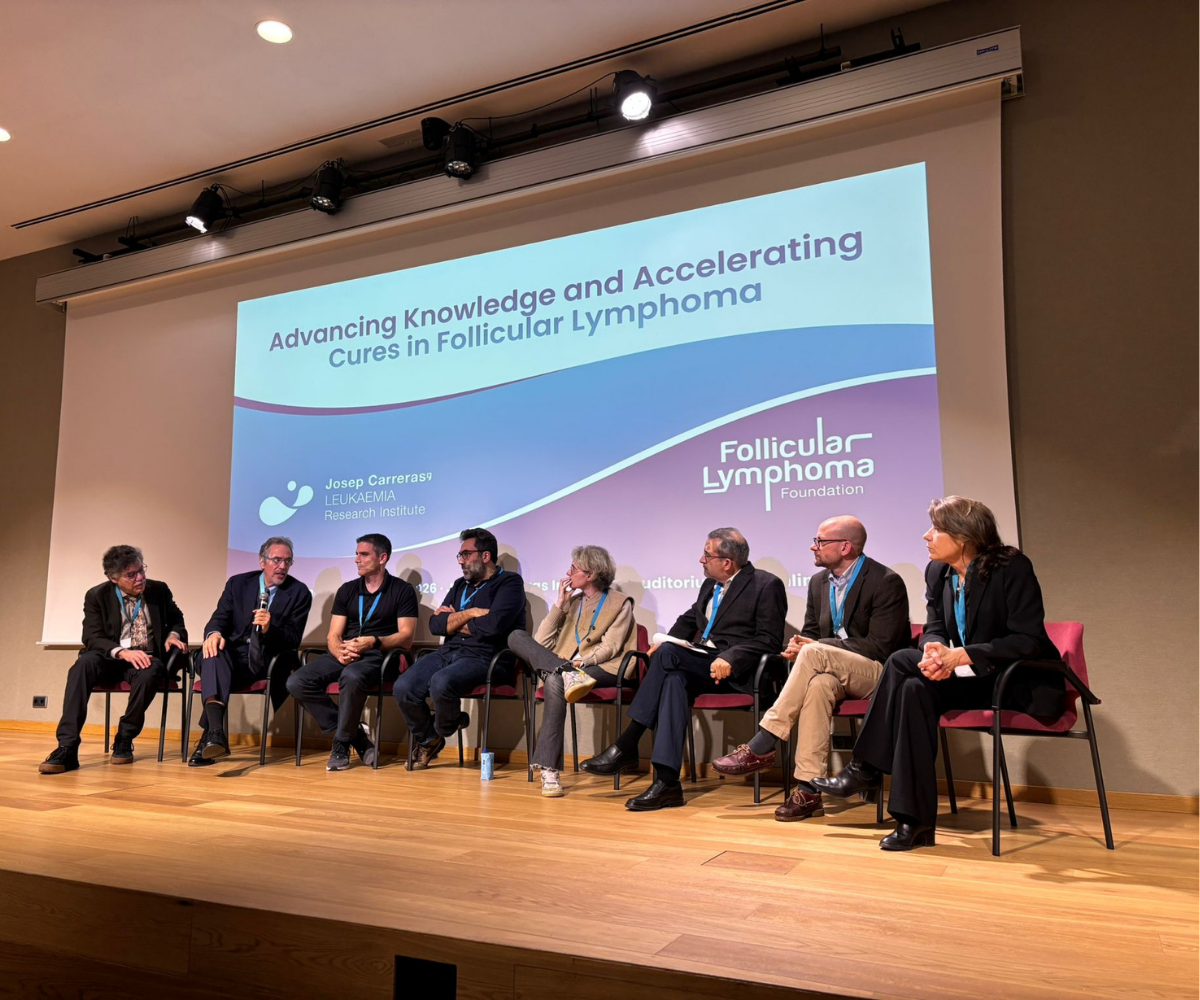
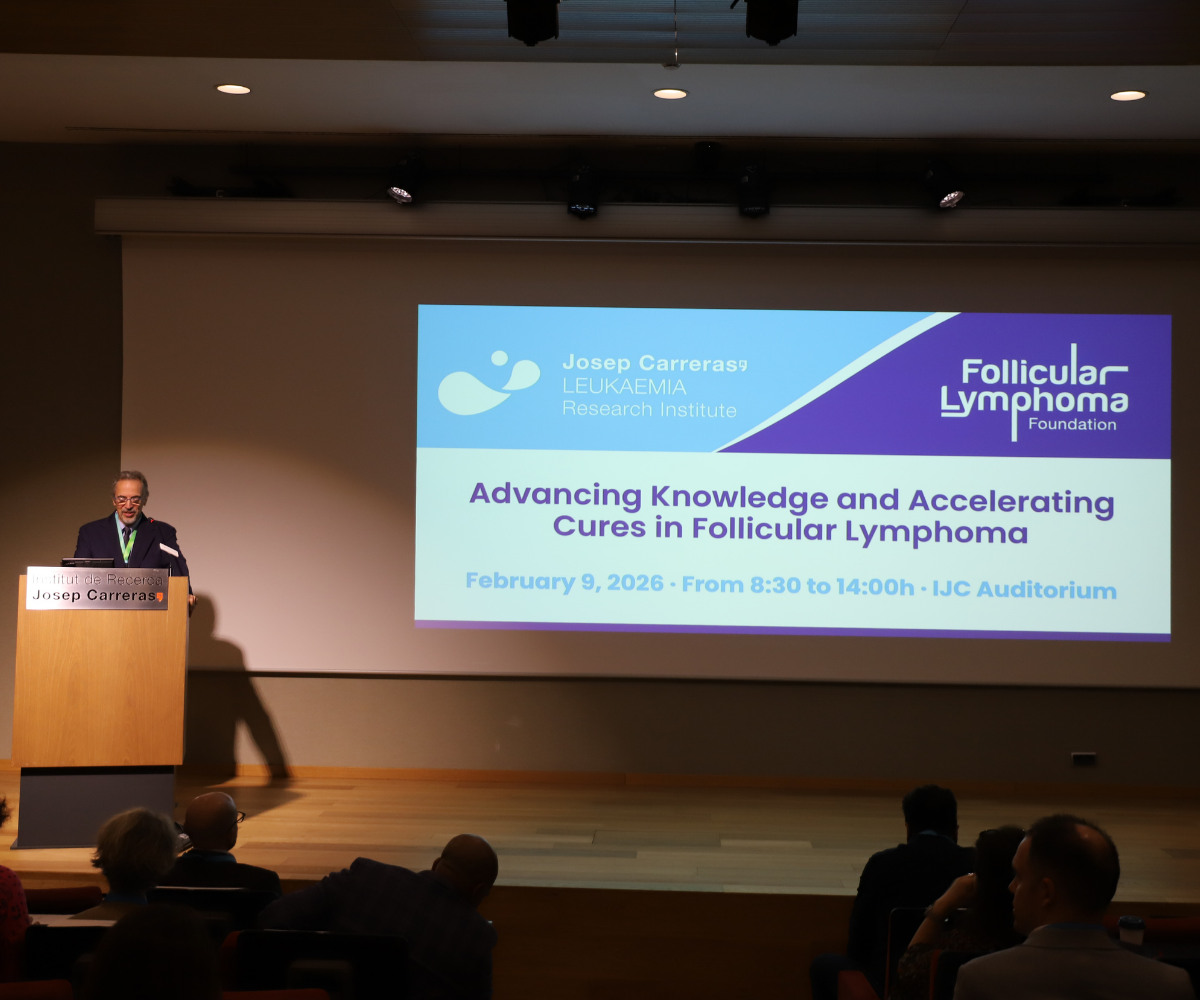
The Conclave was preceded by a Scientific Symposium, Advancing Knowledge and Accelerating Cures in Follicular Lymphoma, also held in partnership with the Follicular Lymphoma Foundation and Josep Carreras Leukaemia Research Institute, which brought together more than 150 participants from the local, regional, and global follicular lymphoma community, both in person and online.
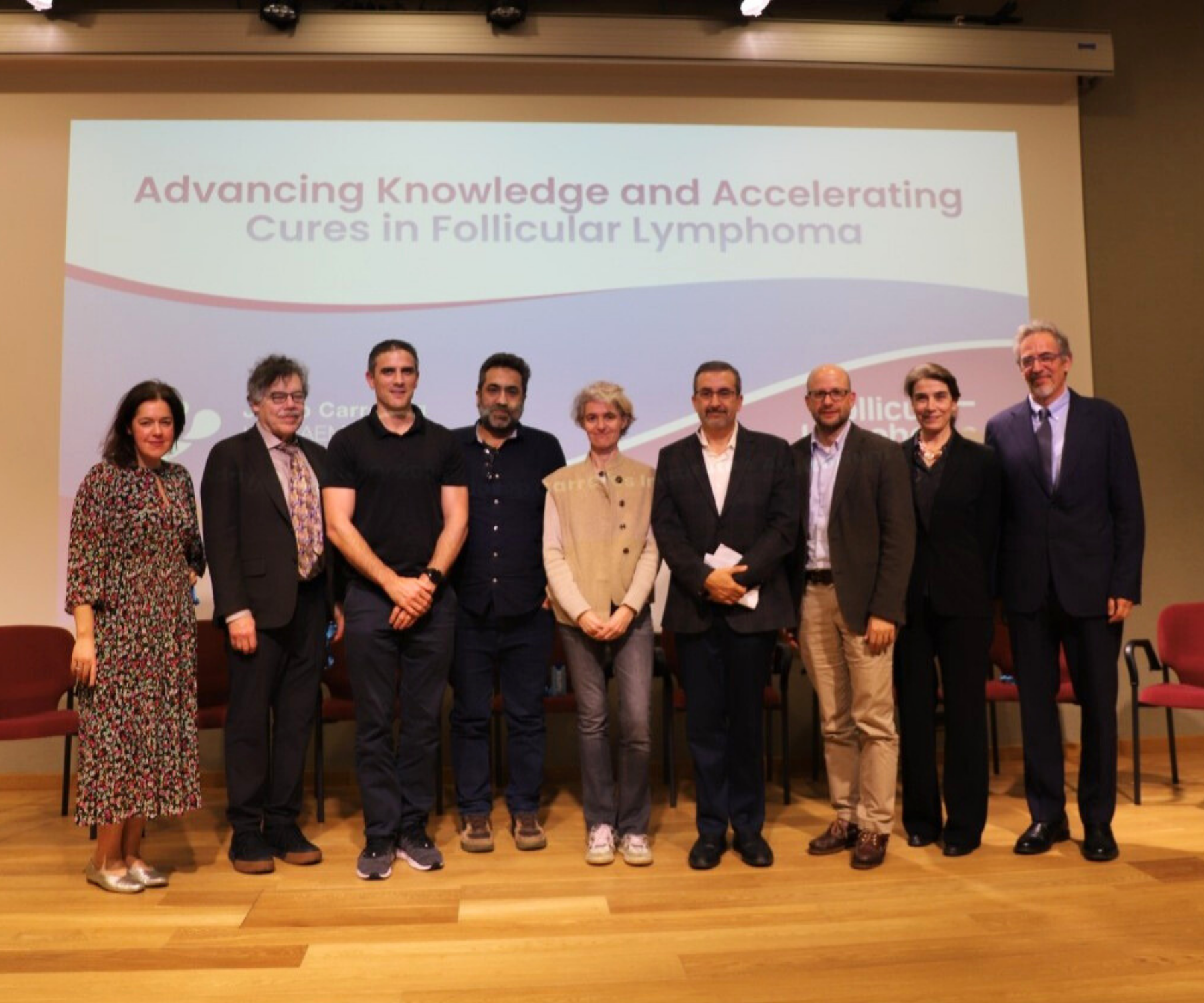
The Scientific Conclave represents a starting point, not a conclusion. Insights and priorities identified during the convening are now be developed collaboratively into future research programs, funding opportunities, and coordinated initiatives designed to accelerate progress from bench to bedside.
“This work is about shaping the path forward,” said Emma France. “The real impact will be measured by how what emerged here is carried into sustained collaboration, investment, and progress for patients.”
What emerged here will now be carried forward collaboratively, with a clear focus on translating insight into action.
We look forward to sharing what comes next soon.
The Follicular Lymphoma Foundation and the Josep Carreras Leukaemia Research Institute extend their sincere thanks to all researchers, clinicians, and scientific leaders who participated in the Conclave and Symposium, and who contributed their time, expertise, and openness to advancing this work.