Watch and Wait: What I Wish I’d Known at the Beginning
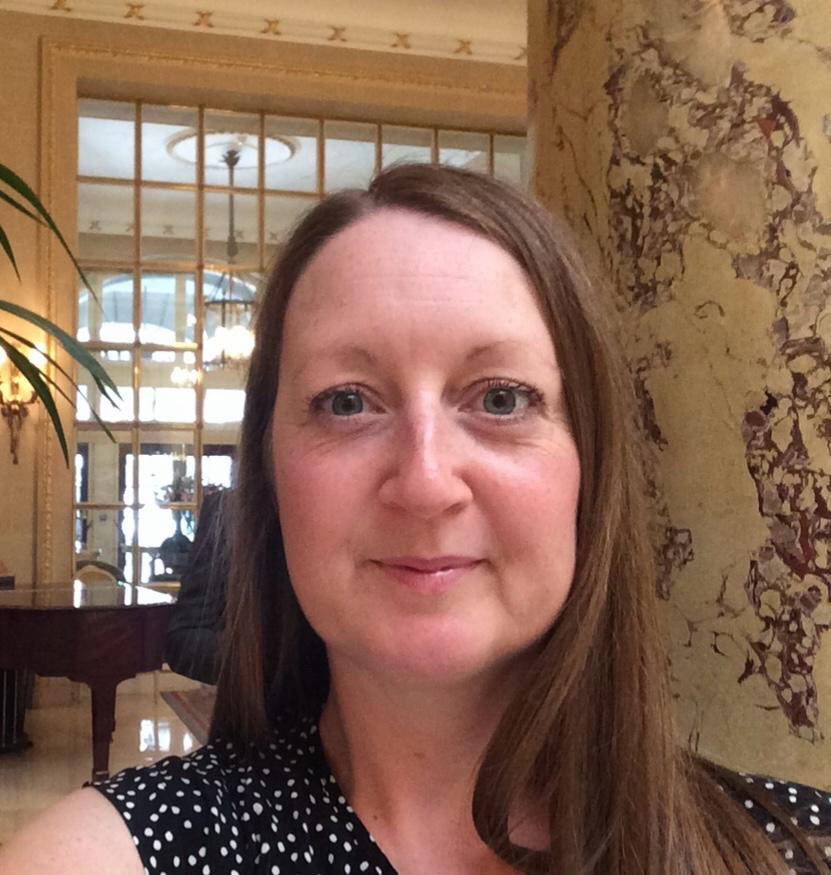
Guest blog by Nicola Attfield, patient advocate, moderator of the Living with FL community and producer of The FL Community Podcast
Being told you have follicular lymphoma (FL) and then hearing that you’re not going to start treatment can be incredibly confusing.
For many people, “Watch and Wait” (also called Active Monitoring) doesn’t seem to make sense. If you have cancer, surely it should be treated straight away?
After living on Watch and Wait for eight years, I want newly diagnosed patients to know that although it can feel frightening at first, it really can be a positive place to be.
"When I was first diagnosed, I wish I'd understood that Watch and Wait had given me time. Time to process my diagnosis, learn about follicular lymphoma and make positive changes to my lifestyle."
Finding time to adjust
Instead of rushing into treatment, I used that time to improve my diet, exercise more, reduce stress and focus on my overall health.
While these changes won’t cure FL, they helped me feel stronger and better prepared for whatever the future may bring.
Like many people, my diagnosis also brought back memories of previous experiences with cancer. Having watched my father go through treatment for an aggressive cancer, my first instinct was to want the lymphoma gone immediately. Those experiences shaped my fears and made accepting Watch and Wait even harder.
If you’ve ever experienced cancer in a loved one, it’s natural for those memories to resurface after your own diagnosis. But it’s important to remember that follicular lymphoma is different from many other cancers. It often behaves very differently, and that’s why Watch and Wait is a well-established and carefully monitored approach for many people.
When Watch and Wait feels difficult
"Watch and Wait can be tough mentally, even if you're not naturally an anxious person.
It can feel like you're living in limbo. You haven't started treatment, you're not in remission, and it may seem as though not much is being done.
It's almost as though you have to forget everything you've ever heard about cancer and how it's treated, and instead learn the quirks of follicular lymphoma."
Although it may not always feel like it, you are being closely monitored by your haematologist and healthcare team through regular blood tests and, when needed, scans.
Watch and Wait allows them to keep a close eye on your lymphoma while keeping treatment options in reserve until they are truly needed.
Now, instead of fearing another year without treatment, I see it as something to celebrate.
"Talking to other FL patients made me realise that being on Watch and Wait was actually a good thing. Speaking to people who truly understood what I was feeling made such a difference."
Over time, the worry became more manageable and I gradually found a new normal.
Knowing that others had walked the same path before me helped me feel less alone and gave me confidence that I could live well with follicular lymphoma.
The message I wish every patient could hear
Looking back, there is one message I hope every person on Watch and Wait hears:
"Although it feels like nothing is being done, Watch and Wait is a good thing. It's giving you time. It's completely normal to feel scared and frustrated, but with time it does get easier. Hold onto hope."
Want to learn more about Watch and Wait?
Watch back our Watch and Wait webinar
This previous webinar explores what Active Monitoring means, why it is recommended for many people with follicular lymphoma, and how others have navigated the emotional side of living with uncertainty.
Read our blog on which aims to shed light on the “Watch and Wait” strategy and the triggers for treatment, offering guidance to newly diagnosed patients on what to expect when discussing treatment options.
Read David’s story to learn what it’s really like to live with a Watch and Wait approach after a follicular lymphoma diagnosis, and how he learned to navigate the uncertainty that comes with it.
We use cookies to ensure that we give you the best experience on our website. If you continue to use this site we will assume that you are happy with it.