
Through our conversations with people living with follicular lymphoma (FL), we know the emotional impact can be significant. Whether you’re newly diagnosed, on Watch and Wait, receiving treatment or living with uncertainty, fear, anxiety and the worry of relapse; these feelings are real, valid, and incredibly common.
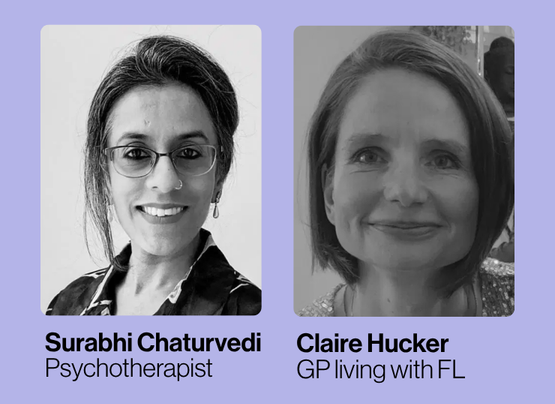
In our January webinar, blood cancer specialist psychologist Surabhi Chaturvedi shared practical strategies for managing difficult emotions, while FL patient and primary care doctor Claire Hucker reflected on what has helped her through the down days.
Many of us tell ourselves we should just be grateful or stay positive, that struggling emotionally means we haven’t coped well enough. Surabhi challenges this:
“Acceptance of the situation requires we accept our feelings about the situation. I meet patients who say they haven’t accepted it because they feel sad about it. I say to them: you’re feeling sad about it because you have accepted it and that’s part of the acceptance process.”
Feeling sad, frustrated, angry or frightened doesn’t mean you’re coping badly. For many people, these feelings are part of adjusting to life with follicular lymphoma.
Anxiety in FL is almost always about what might happen, not what is happening now. Claire described a pattern many will recognise, a single worry spiralling rapidly into catastrophe. Surabhi explains why this happens:
“All anxiety is your brain’s effort at trying to be helpful, imagining future scenarios, anticipating problems. Understanding that this is your brain’s natural mechanism to keep you safe goes a long way towards making it seem less threatening.”
While this ability to think ahead can be useful in everyday life, with FL it can sometimes lead us from one “what if?” to another. Learning to recognise when that spiral has started can help us step back from anxious thoughts before they gather momentum.
When a difficult moment hits, ask yourself: what would I say to a loved one feeling exactly this way? Then say it out loud to yourself: ‘It’s OK, you’re just having a tough day today.’
“We’re all much nicer to other people than we are to ourselves. Do try and say it out loud That validation is a really important supportive step.”
When anxiety pulls you into the future, your senses can bring you back to right now. Surabhi recommended noticing five things you can see, feel, touch, taste and smell — whether you’re walking, doing the washing up, or in the garden. Claire has her own version:
“My thing is to stretch my hands really, really tight. Feel the muscles, look at the nails, look at my joints stretching out. It brings you from the future to right here, right now. It stops the snowball rolling.” Claire
Sometimes a simple physical action can be enough to interrupt the spiral and reconnect with the present.
You can’t immediately stop racing thoughts, but you can always control your breath. Try breathing in slowly through your nose and exhaling even more slowly. Even two minutes of this calms the body’s fight-or-flight response. The Calm app was one of Claire’s favourites, and she offered an important reassurance for anyone who has tried meditation and felt they were doing it wrong:
“You can’t fail at it. It’s not possible. Every time you feel your mind wandering, the recognising that you’ve lost focus is part of it. It’s not failing – it’s just practising.” Claire
Try Surabhi’s two-minute guided meditation
During the webinar, Surabhi led a short breathing exercise designed to help calm the nervous system and bring attention back to the present moment. She encourages people to focus on the sound and movement of their breath, and reminds us that if our mind wanders, that’s completely normal – simply notice it and gently bring your attention back.
One of the hardest parts of FL is feeling helpless. Surabhi’s advice is to focus on what you can influence right now, however small.
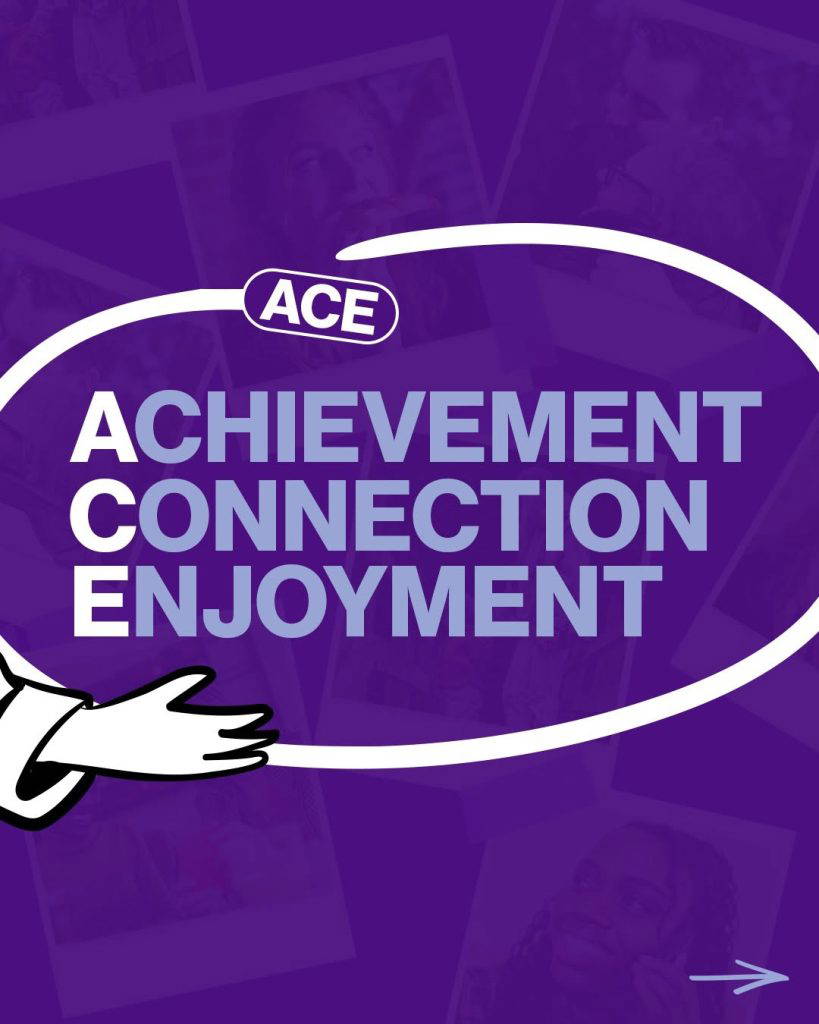
She shared a simple framework called ACE: Achievement, Connection and Enjoyment. The idea is straightforward: we all need regular opportunities for each of these to support our wellbeing.
Achievement doesn’t have to mean anything grand, it could be getting up at the same time each morning, finishing a task, or going for a short walk.
Connection might mean a phone call with a friend, joining the Living With FL Facebook group, or speaking to someone who understands what you’re going through.
Enjoyment is anything that brings you genuine pleasure. It could be watching a favourite film, receiving a hug from someone you love or enjoying a favourite treat.
When you’re living with follicular lymphoma, particularly during treatment or periods of uncertainty, it’s easy for all three to quietly slip away.
Try to include at least one ACE moment every day. Even a small win in one of these areas can make a difference.
There will be difficult days. Living with FL means navigating uncertainty, and that’s not always easy. But as Claire’s experience shows, support, self-compassion and small daily coping strategies can make a real difference over time.
You don’t have to carry it all on your own.
Coping top tips at a glance: