Introducing FL Voices: a new way to help shape the future of follicular lymphoma
Since the very beginning of the Follicular Lymphoma Foundation, people affected by follicular lymphoma have helped shape everything we do.
Founded by a patient, the Foundation has always believed that involving patients and caregivers leads to better outcomes. Whether improving information resources, setting research priorities or helping researchers understand what matters most, lived experience has consistently strengthened our work, helping us get closer to cure.
Now, we are building on that success with the launch of FL Voices – a flexible new patient involvement network designed to make it easier than ever for people affected by follicular lymphoma to get involved.
FL Voices offers opportunities to contribute in ways that suit your interests, availability and experience. Members can choose to take part in polls and surveys, focus groups, researcher panels and formal patient representative roles.
No scientific background is needed. Whether you want to contribute occasionally or take on a more active role, you can engage with the topics that matter most to you, when life allows.
Read on to hear about some examples of where the patient voice has really has made a direct difference and the experiences of people involved.
Helping us translate research breakthroughs into what you need to know
Patient input plays a vital role in helping the Foundation turn scientific advances into practical information for people living with follicular lymphoma. We regularly run focus groups and surveys to identify what information people need and when they need it. Draft resources are then reviewed by people affected by FL to ensure they are clear, relevant and accessible.
Earlier this year Nicola helped us reviewing some of our science simplified articles, she said:
“I remember getting this email and panicked I might be in over my head, what do I know about science? But I was reassured, I know what it’s like to live with FL and what is important to patients, making this easy to understand will help people across the world”.
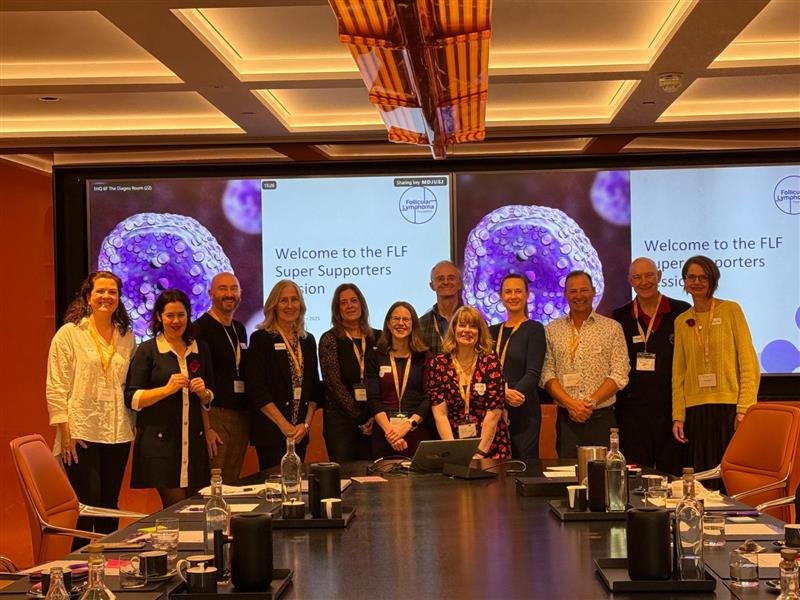
Nicola and Simon at our face to face workshop in the UK
Representing your voice to decision makers
Patient voices are also helping shape our wider strategy and advocacy work.
To inform our annualglobal patient survey we worked with people affected by follicular lymphoma to identify the issues that mattered most to them. We then held our first face-to-face workshop in the UK, bringing together patients and caregivers to discuss the survey findings, explore the reasons behind the results and identify actions the FLF should take in response.
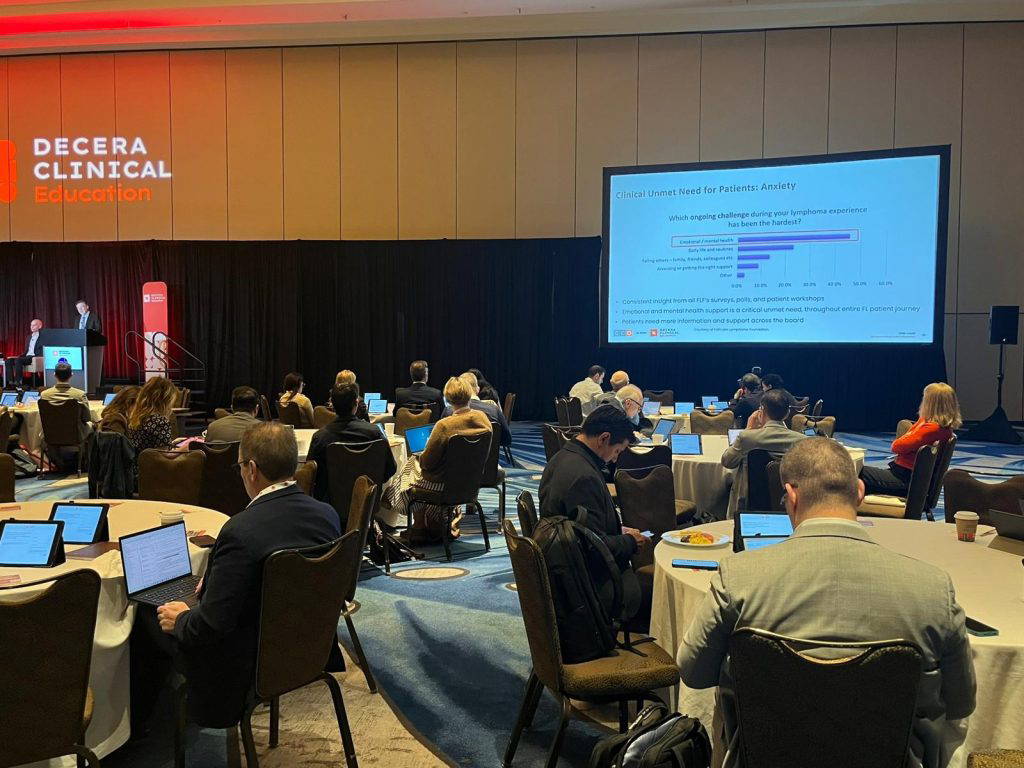
As well as informing our own priorities, we have represented these views globally to researchers, healthcare professionals and industry. This included running a symposium at the American Society for Haematology, the largest global conference of it’s kind attended by over 30,000 people.
"We've all learned so much and made such good friends. Working together with everyone to make a positive difference, we see the difference it makes and all remain in a positive mindset. Wonderful to see us getting closer to cure" .
The FLF presenting the patient priorities identified in the global patient survey
Shaping research into how patients make treatment decisions
Follicular lymphoma has many possible treatments, each with different trade-offs. People living with FL worked directly with researchers to design a large-scale Discrete Choice Experiment – a survey that asked hundreds of patients how they really weigh up effectiveness, side effects, safety and convenience. The findings are due to be published as peer-reviewed research, with some patients credited as co-authors. When it is published, it will shape clinical practice globally.
"Working in partnership with researchers on the project was really interesting in itself, and it's so important that more is understood about patient choices and what they are willing to sacrifice for benefit. I write a lot about FL research for my blog, so actually having my name on the poster presenting this research was a really special and satisfying moment for me."
Nicky’s experience in helping shape our work
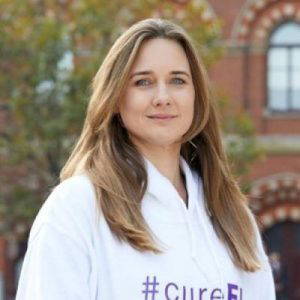
Nicky Greenhalgh was diagnosed with follicular lymphoma in 2014. She has been involved in shaping our work over the last six years.
Read her guest blog, to find out more about her experience of getting involved, and how this is helping to shape a future where better treatments, and ultimately cure, become reality.
We use cookies to ensure that we give you the best experience on our website. If you continue to use this site we will assume that you are happy with it.